Onde comprar
Precisa de aconselhamento? Os nossos distribuidores altamente treinados têm todo o gosto em ajudar com qualquer questão, grande ou pequena.
Encontre um revendedor perto de si
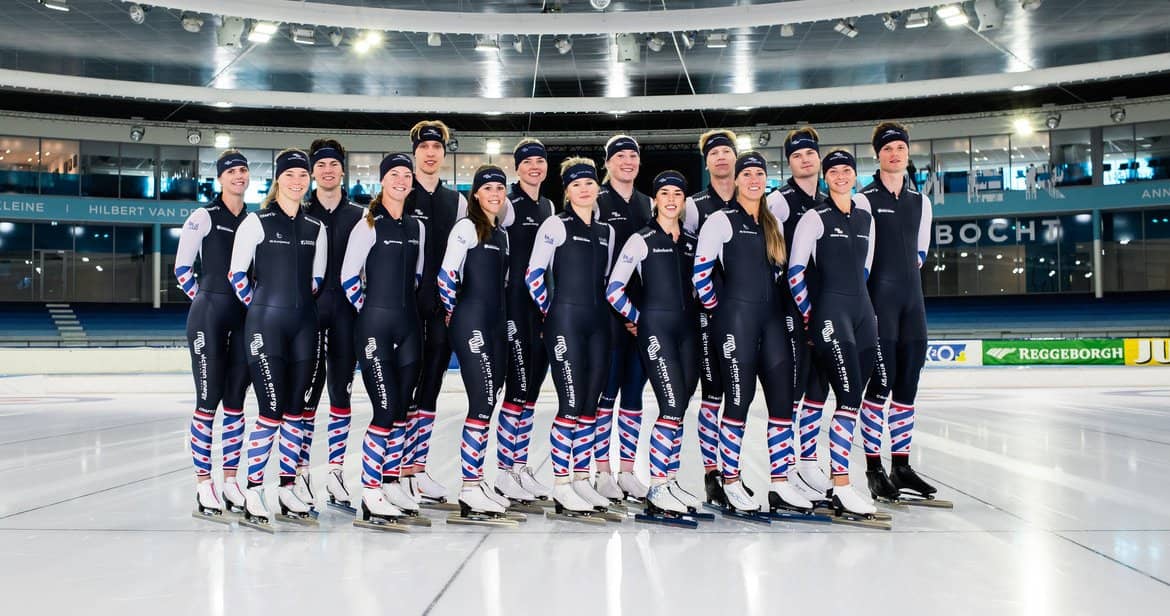
Skating team turns on the heat
Meet Team Gewest Fryslân - supercharged competitors!
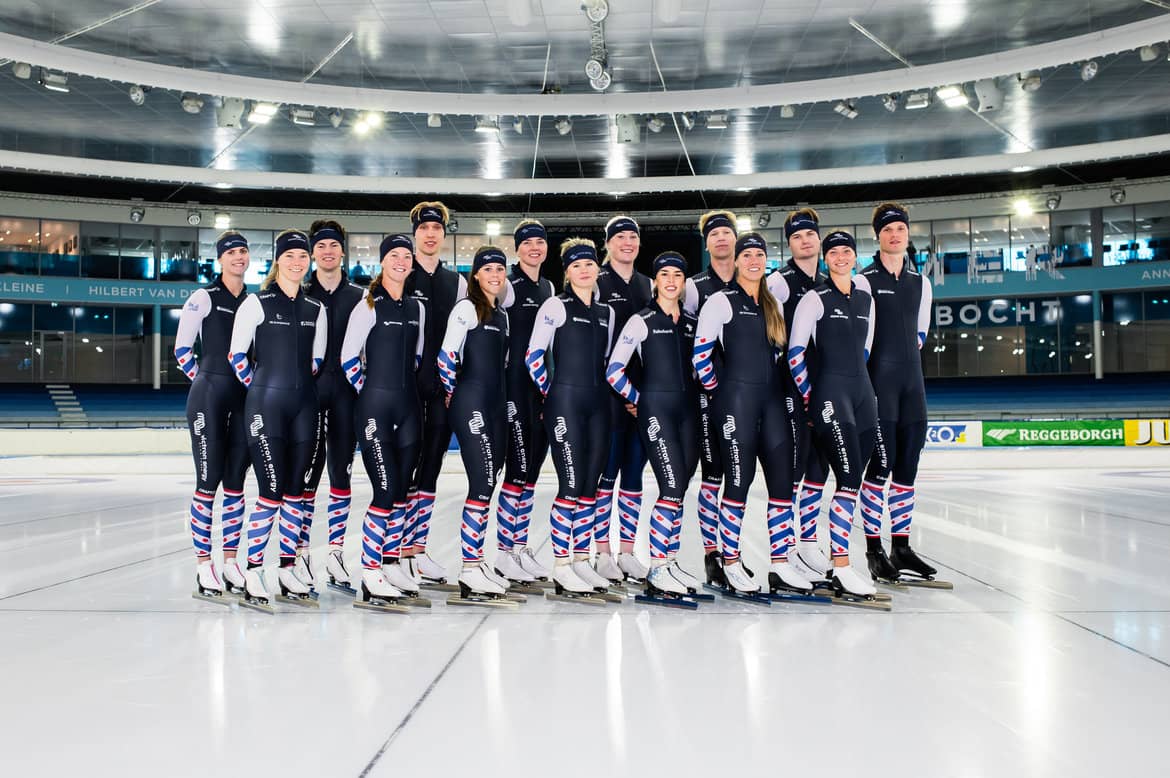
Netherlands skating team KNSB Gewest Fryslân has already achieved some impressive podium finishes this season. Don’t miss out on the climax of the action! Victron Energy is very proud to be nurturing young skating talent, once again, as Main Sponsor of the team. The more-than 100 year old club continues to produce world-class skaters through their coaching programmes. We’ll hear a little more about some of the successes they’ve achieved so far this season in a minute – but if you’re new to the sport, let’s take a quick look at what it’s all about! At first glance competition rules and event classes can seem a little bit baffling – sometimes they really are! But the sport of skating provides lots of excitement for the casual spectator and connoisseur alike. Competition skating is an Olympic class event practised, most notably, by a number of European countries, Canada, USA, South Korea, China and Japan. Ice Skating fans often have a favourite event and there are a number of skating disciplines to choose from – featuring Short and Long track events for individuals, teams and even Mass Start! – together with Figure Skating singles or pairs.
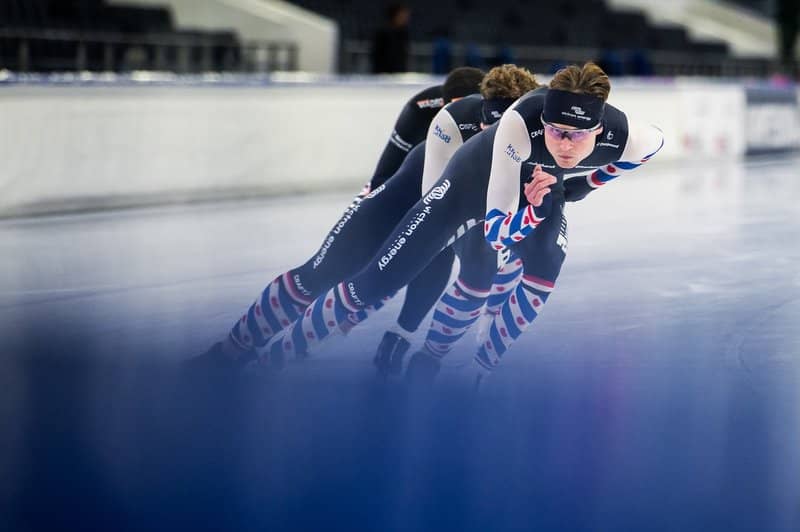
Performing on ice-skating tracks of up to 400m in length, official Speed Skating competitions are organised into distances of 500, 1000, 1500, 1500, 5000 and 10,000 m. Even over long distances it is possible to maintain speeds of over 50kmh/30mph on blades which measure 420mm / 17 inches. Some events take place on a shorter track allowing the excitement to build as skaters navigate tighter curves at which they arrive more quickly! In races with four to eight skaters, success hinges on a combination of tactics, agility, and acceleration. It’s not always the strongest or fastest skater who wins; strategy plays a crucial role. During races between two (and sometimes three) competitors the inside and outside skater must swap lanes at each lap to share the advantage. Sprint Racing is a singles race over distances of 500m / 1,000m / 1,500m – where the skater’s overall performance is recalculated to provide their average speed over 500 metres.

Performed as singles or pairs to music, competitors strive to exhibit their form, style, and technique through movements, spins, jumps, and figures on the ice. In the pairs events, these skills are thrillingly augmented by synchronized movements, where the partnership coordinates their actions – ‘both ahead’ or with one partner in reverse – and performs lifts, throws, throw jumps, and death spirals – making for hair-tingling viewing. Points are awarded based on the quality of their performance, including the execution of their elements and the technical difficulty.
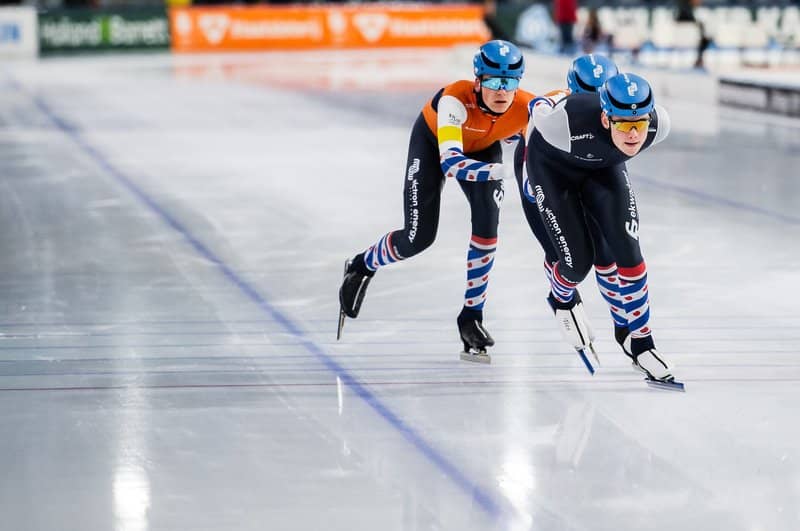
The Team Pursuit event is contested between two teams of three skaters each, over six or eight laps. At the start of the race the teams begin on the straight, opposite each other on the oval rink – therefore separated by half-a-lap. A team wins when all three of its skaters cross the finish line ahead of all three of the other team – or when the whole of one team overtakes the other.
Mass Start Arguably one of the most exciting events in skating is the Mass Start – in which up to 24 skaters race 16 laps. These ‘short track’ events see skaters compete en-masse, round tight curves with no designated lanes. They are frantic dashes to the winning line with a lot of contact between skaters, and great potential for clashes …and sometimes chaos! It’s an elimination event where succeeding heats are populated by the winners of previous bouts – on the way to the top there will be many falls and disqualifications!This season’s Ice skating competition is warming up. Let’s take a quick look at some of the notable performances which have been achieved by our sponsored skaters – so far.
Among the Junior team Mats Bendijk comfortably won his last 3000 meter event with Sil van der Veen taking third place. Elsewhere, Mats Bendijk achieved silver in one of his 1500 metre events, whilst in the Team Pursuit event Bendijk, Sil van der Veen and Mika Kolder achieved third place.
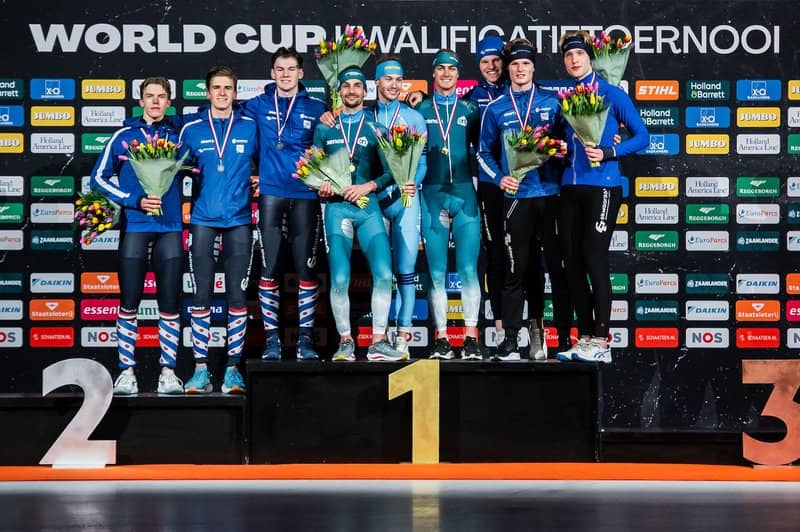
Team eventers Britt Breider, Elbrich Nicolay and Elanne de Vries won the Team Sprint and their Mixed Relay race, whilst also achieving second place in the Team Pursuit.
We’re very proud of the competitive spirit amongst all our team members – and whilst any one snapshot of stand-out performances may not reflect the efforts of the whole team – other skaters who have climbed the podium already this season include: Kai-Anre Ottenhof, Jonas de Jong; Leon Visser; Jack Boekema; Berend Lange; Sem Spruit; Jarin Ridder; Niek Almost; Rutger Jansma; Anouk Aalders; Eva-Sofie Elferink; Willeke Bouwhuis; Breider and Sietse de Vries; Kailey van der Veen and Tjalle Nijenuis; Otte Hilarides and Ingmar Carpenter; Djoeke Schmitz; Lana Sumirah Schiphof; Janna Wietske van der Ende; Silke Middeldorp; Isa Vijfhuizen; Aaliyah Naceri and Djura Elzinga. Tijn Borst secured the national title in the neo-senior women’s marathon, breaking away with Vera van Ditshuizen and Kaat van Steekelenburg in the final. In a strong sprint to the finish, she outpaced the others to claim the victory. That’s a quite lot of skaters who have stretched themselves to greatness. I hope I haven’t missed out any notable early successes – but we can see already that the whole team are really committed to achieving notoriety for their club, their coaches, and for themselves!
The achievements of Pien Smit are worth singling-out as she seems to be shaping up for a World Cup debut.

If you find yourself in the Netherlands this weekend or sometime over the next couple of weeks you can spectate the Gewest Fryslân team’s upcoming competitions on the following dates and locations:
We wish our sponsored team all the luck and success in the world and we will be bringing you more news as the culmination events of the 24/25 winter season reaches their climax!
All photographic images are the work of Wiebe Sietze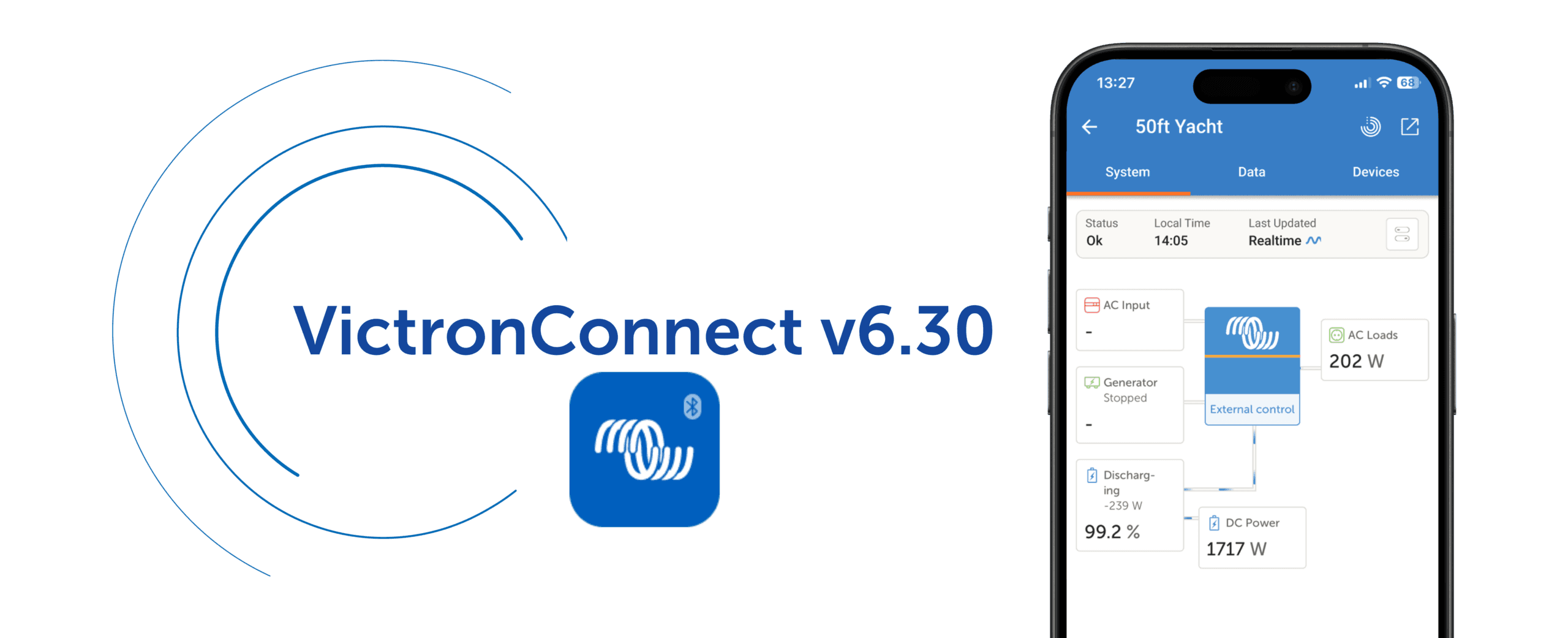
Beril Berkem • 23 February 2026
VictronConnect App v6.30
VictronConnect app v6.30 brings a range of new features designed to make system monitoring and management easier for both professionals and end-users. These include VRM integration, new tools for system monitoring, more insight during firmware updates, and a Batch Programming feature aimed at simplifying work for professionals. In the next sections, we take a closer look at what’s new in VictronConnect v6.30. VRM integration The VictronConnect app has been the go-to app for direct access to Victron products and system monitoring, allowing configuration, firmware updates, and real-time monitoring via Bluetooth with quick access from your phone. The VRM Portal , on the other hand, gives full remote system monitoring from anywhere in the world with internet connection, providing full system overview, detailed performance analysis, remote support, and tools for fleet and multi-system management. VictronConnect v6.30 brings these two worlds closer together. VRM dashboard access is now built directly into the VictronConnect app. Previously, when accessing a system remotely via the VRM tab, the app redirected you to the VRM Portal for full system information. You can now see the system dashboard directly in VictronConnect, including control switching, overview data, and Dynamic ESS information such as costings and schedules, making it easier to understand what is happening across your system from one place. VictronConnect on Android Auto If your vehicle supports Android Auto, you can now view key system information directly on your car’s display while driving through the VictronConnect app on your phone. After updating to VictronConnect v6.30, a VictronConnect icon will automatically appear in Android Auto once a phone is connected. The feature uses Bluetooth Instant Readout and requires no additional configuration or GX device. If Instant Readout data is available for a product in the VictronConnect app (for example, the Smart range), it will also be shown in Android Auto, creating a simple plug-and-play experience. This makes it easy to monitor system status safely while driving, especially in campervans, motorhomes, and professional vehicles. Android widgets and notifications Android users can place widgets on their phone home screen to quickly see important system information without opening the app. It is also now possible to enable notifications so your phone alerts you if something needs attention, giving you peace of mind that your system is running as expected without needing to constantly check it. Notifications and Widgets use Bluetooth Instant Readout and work when your phone is within range of supported products. Improved Trends Trends data is now clearer and more detailed, making it easier to see how your system has been performing over time. Updated graphs are easier to read and interpret, while also giving access to deeper system information, helping build a clearer picture of energy production, consumption, and battery behaviour. Trends data is now also included when exporting product settings, making it easier to keep records or share data for support or analysis. This feature is available for all products that support stored Trends. Smarter firmware updates With VictronConnect v6.30, firmware updates now show release notes directly in the update screen, making it easier to see what has changed before updating. The release notes remain visible during the update process, giving clearer insight into each firmware version. The built-in firmware library can now also update itself automatically when an internet connection is available, keeping the latest firmware versions ready even between app updates. Firmware updates can still be carried out without an internet connection, just like before. Batch programming And finally, a feature many installers will appreciate: Batch Programming. You can now apply setting files and firmware updates across multiple devices at the same time. The feature supports both VE.Direct (wired) and Smart (Bluetooth) products, making it easier to manage mixed systems. The short video below gives a quick overview of how it works. Wrapping up VictronConnect v6.30 makes it easier to stay connected to your system, whether you are standing next to it, travelling, or checking it remotely. By bringing VictronConnect and VRM closer together, and adding practical tools for daily use, this update helps make system monitoring, control, and maintenance simpler for everyone using Victron systems. We hope you enjoy using these new features. Your feedback helps shape future updates, so feel free to share your experience or suggestions in the Victron Community .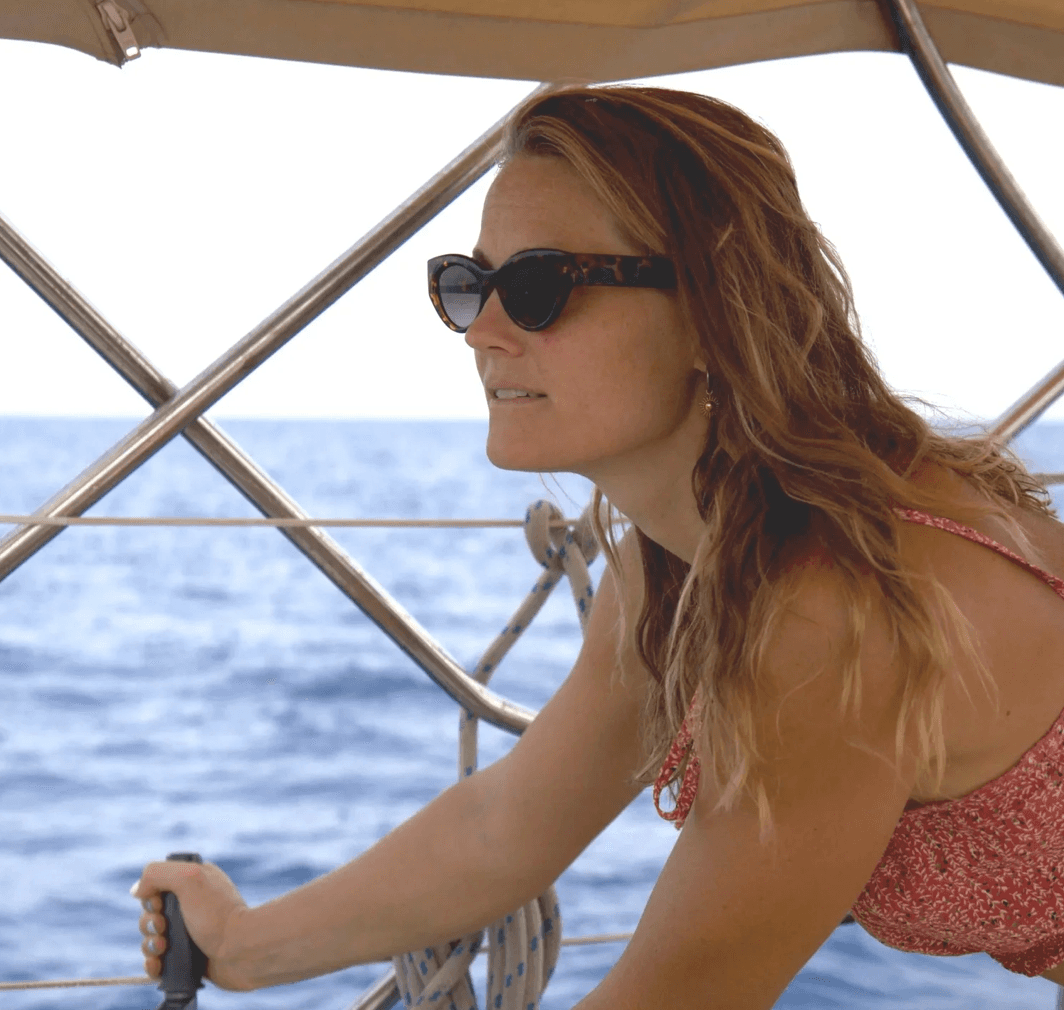
Justin Tyers • 13 March 2026
Thousands watching solo sailor
If you don’t easily get sea sick why not join Norwegian Helga Marie Løvenskiold Kveseth – who goes by the name Mara – on her LIVEstream as she crosses the Atlantic? Already having 25,000 miles under her keel, Mara is sailing her Saltram Saga 36ft double-ender called Showgirl to St Martin in the Caribbean in order to qualify for the Golden Globe Race 2026. The Golden Globe is an epic yacht race – more than twenty participants are expected to cross the start line later this year on September 6th to sail singlehanded around the world using only the equipment which was available to circumnavigators sixty years ago. Using a sextant to make celestial observations, and plotting their position on paper charts, skippers spend nine months at sea crossing world’s remotest oceans in their grandest moods. It’s not for the feint hearted. For her qualifying passage Mara’s boat is equipped with the latest technology in order to bring us closer to the experience of sailing alone. Her 24 hour live stream via Starlink router, together with other domestic conveniences, uses a lot of power, The original electrical system onboard was unable to support the planned loads so she enlisted the help of Sea & Land Yacht Works to do a power audit of all her domestic and navigation devices and provide a system which could support the ambition. Sea & Land Yacht Works is a marine service provider based in Rhode Island U.S. specializing in marine electronics, electrical and marine systems. Interestingly, they offer their technical service all round the world by contracting qualified installers to build systems from their drawings, using specifications which meet ABYC certification standards. Company founder Michael Garretson is an AYBC Master Technician and also a Mechanical Engineer. Working from his drawings installer Electrical Marine Services Gibralter built Showgirl’s power system in Gibralter just before Mara set off on her solo transatlantic passage. Power Assumptions The power audit for Showgirl’s electronic devices suggested a daily power consumption of 492Ah Equipment Load Fridge 60 NAV Instrument 45 Starlink 240 Rasberry pi 28 Camera 47 dgi 16.3 random cameras 7.5 VHF 12 Lighting 15 Phone charging 2 handheld 0 Watermaker 19 Total: 491.8 In order to provide that power three power generation sources were installed: Showgirl’s four solar panels of 100Wp each would typically provide 116Ah per day . The solar harvest is controlled by two MPPT solar charge controllers of 100/30 and 75/10 to charge a 12V lithium battery bank of 960Ah. As the vessel sails a Watt&Sea Hydrogenerator 600 produces power. Assuming an average speed of 4.5knts, that model will produce 157Ah per day There’s a 275A alternator on board controlled by Arco Zeus 275L alternator regulator to maximise the power harvest. Running the engine at 1500rpm for an hour is likely to produce 230Ah . Total daily production from power generation is 503Ah . Power consumption and harvest is monitored by a number of BMV battery monitor across the MPPT solar chargers, alternator output, Watt & Sea hydrogenerator output, and the lithium battery bank loads. There is an Orion DC to DC charger to manage battery charging for Showgirl’s dual battery systems – engine starting and domestic use. A MultiPlus 12/1600/70 Inverter/Charger provides AC power. A Cerbo GX communication centre harmonises all Victron and third-party devices and makes real time data monitoring and programming available from anywhere in the world via the Starlink satellite router. The same information is just a fingertip away on board via the GX Touch 50 user interface. Showgirl is a little more than halfway across the Atlantic at the time of writing. Once she arrives, Sea and Land Yacht Works plan to install more custom solar panels and additional electrical work before she recrosses the Atlantic a few months later – live streaming again – in preparation for her Golden Globe Race participation. You can ask Mara a question via the live chat function of her LIVEstream. She typically makes time to answer questions on camera after sunset each day – her time. She says she’s going to miss all the live chat on her Golden Globe Race! Let’s see how she’s getting on: If you’re already in the Caribbean on board a boat – and particularly if you want to find out more about reliable power or workshop a power problem – take a look at our recent story here.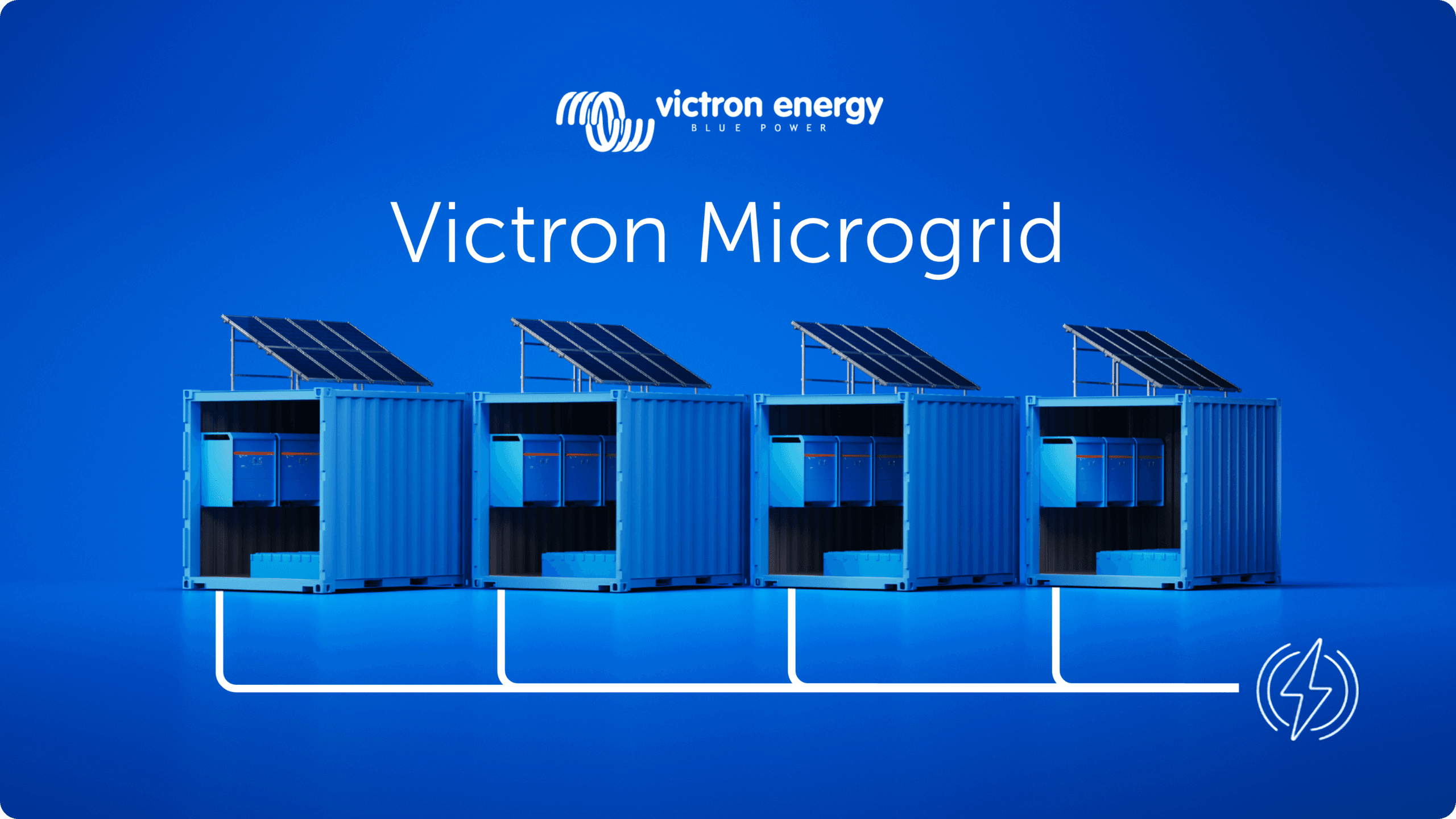
Guy Stewart • 13 April 2026
Introducing Victron Microgrid
What if you could build large off-grid systems with the same simplicity as small ones – just by adding more independent units, increasing reliability, and scaling total capacity as you grow? Large off-grid systems have traditionally been complex to build and difficult to change; Victron Microgrid takes a different approach. Victron Microgrid allows multiple independent Victron inverter/charger systems, named “Power Banks” to operate in parallel on a shared AC bus – even when Power Bank sizes vary – forming high-power off-grid systems that automatically share the load. Each Power Bank is a complete, independent Victron installation with its own inverter/chargers, batteries and monitoring. No central controller, and no data communication wiring between units. If you need more power you can just add another Power Bank, and scale the system – up to 400 kW. Why Victron Microgrid? Scale beyond a single system. Multiple Power Banks on a shared AC bus let you build off-grid systems much larger than a single VE.Bus system, without the complexity and risk of one big centralised inverter installation. Keep running when a unit goes down. Each Power Bank operates on its own. If one is taken offline for service or develops a fault, the rest continue supplying the AC bus uninterrupted. Removing any single point of failure. Add or remove capacity without downtime. Connect more Power Banks to the Microgrid as demand grows. Disconnect them when demand drops or maintenance is needed. No reprogramming required, and the AC bus stays live to loads the whole time. Build with what installers already know. No new hardware. Victron Microgrid uses the same inverter/chargers, batteries, charge controllers and GX devices that installers already work with. Each Power Bank is monitored through its own GX device and VRM. Move equipment between sites. Perfect for rental: containerised Power Banks can go from one project to the next. When a job is done, the same hardware returns to the depot and goes out again ready to join another Microgrid. A standard, efficient container build can be used to satisfy a broad range of applications by simply joining them together via AC wiring on site. Applications Because each Power Bank is self-contained, Victron Microgrid works well on sites where demand changes over time and equipment may need to move between projects. 1. Generator rental fleets Rental operators can treat Power Banks as modular fleet assets. Instead of maintaining many fixed-capacity systems for different jobs, stock standardised Power Banks and combine them to match each contract. A smaller deployment might use two Power Banks; a larger job may need six or more. When a contract ends, the same units return to the depot and go out again in a different combination. Power Banks can be grouped together as a Microgrid in VRM to provide remote monitoring, alarms and visibility across active sites. 2. Construction sites Construction sites often have a stable base-load with temporary spikes in demand. Site offices, lighting and tools may run for months at one level, then a crane, welding gear or other heavy equipment drives consumption up. Extra Power Banks can be brought to site, connected to the AC bus for the peak period, and removed when it’s over. Match capacity to the actual stage of the project and reduce dependence on generator runtime where silent, battery-based power is preferred or required. 3. Events and festivals Demand profiles shift across bump-in, live operation and bump-out. Peak power may only be needed for part of the schedule, but reliable supply is needed throughout. Deploy more Power Banks for peak periods, fewer for quieter ones with no need to redesign the system. If the programme changes, add capacity quickly by connecting another Power Bank to the AC bus. And if one unit has an issue, the rest keep running. 4. Expanding existing off-grid systems Victron Microgrid is also a practical way to upgrade an existing Victron off-grid installation. Instead of pulling a working system apart to make it bigger, install a second Power Bank alongside it and connect both to the same AC bus. The original system stays as it is and just becomes one of the Power Banks in the Microgrid. This is useful for containerised or remote installations where reworking what’s already there would be disruptive. Each Power Bank manages its own charging, so the new unit needs its own charging sources such as additional solar, a DC generator connection, or other DC charging. How Victron Microgrid works A Power Bank is a complete Victron off-grid system: one or more VE.Bus inverter/chargers, a battery bank, DC distribution, DC charging sources, and a GX device for monitoring. In a Victron Microgrid, multiple Power Banks connect to a shared AC bus and work together as one large power system. Load sharing between units happens automatically via AC voltage and frequency, without the need for a central controller, communication between power banks or complex configurations. This decentralised approach keeps the system simple and reliable. Three-phase and split-phase configurations are supported as well. Independent charging – no central controller needed Decentralised DC charging is what makes this controller-less approach work. Each Power Bank manages its own state of charge using its own charging sources. Victron supports a range of charging options: MPPT solar charge controllers for DC-coupled PV AC chargers (such as MultiPlus, Quattro or Multi RS) connected to an AC generator or other AC supply, independent of the Microgrid AC bus. DC generator integration (including start/stop automation) Getting started Victron Microgrid is available via a dedicated VE.Bus firmware for MultiPlus, MultiPlus-II, Quattro and Quattro-II. Walk through the concept, configuration and commissioning with these training videos: Introduction Programming Demonstration The Technical manual covers installation and configuration in detail. See this Slide deck for a more visual overview. Contact a Victron distributor to discuss whether Victron Microgrid fits your application.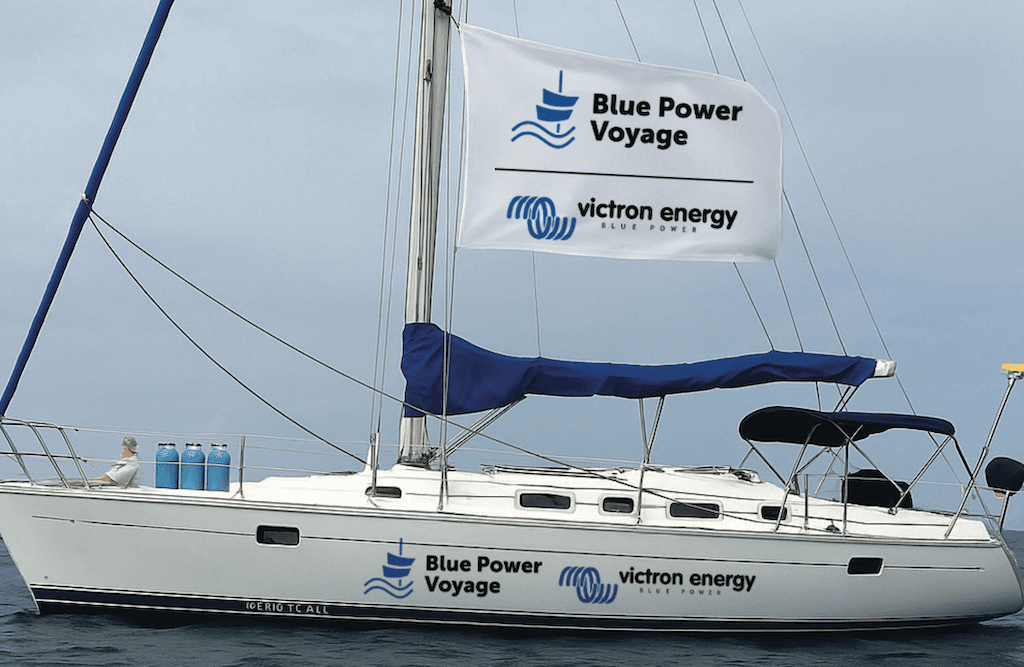
Justin Tyers • 30 January 2026
Power problem in the Caribbean?
If you’re cruising the Caribbean and you’ve got annoying problems with your navigation, radar, VHF/AI, NMEA2000 or battery-based power system – help is coming to a harbour near you! When power problems arise far from home it can be difficult to get the personalised advice you need to solve them. Unresolved, they begin to limit the freedom you’d hoped to enjoy, and spoil the care-free days you planned. Victron Energy together with life-long sailor and system installer Jildert Koopman will be touring the Caribbean between Feb, March, April and May to share his knowledge during free-to-attend training sessions, answer questions and offer one-to-one assistance. Jildert has launched Blue Power Voyage – a touring workshop with training sessions which will visit islands within the heart of the Caribbean nautical community in order to help you resolve your issue. The event brings together adventure and technology enthusiasts and takes place both ashore and on board to bring practical demonstrations, promote devices which offer solutions, and to provide training – all in the wonderful setting of the Caribbean! Local marine service operators are also welcome, of course. This innovative and pioneering approach provides a relaxed and community-oriented environment in which you can exchange experiences, share knowledge, and connect to local professionals in the area. You will also learn about the Victron Energy range of devices built for mariners. Look out for Jildert as he sails into your harbour on the dates below. He’ll be arriving on board his boat Adventura – a Beneteau 445 Oceanis – and he’ll be flying Blue Power Voyage Banner. Jildert will be staying for a few days – so you’re bound to find a suitable time to catch up with him in these locations: St Martin – arriving Feb 24th for 10 days. First Presentation event booked for Feb 26th. St Barts – arriving March 8th for 10 days St Kitts/Nevis – arriving March 20th for 10 days Antigua – arriving 2nd April for 10 days Guadalupe – arriving 11th April for 10 days Martinique – arriving 23rd April for 10 days St Lucia – arriving 5th May for 10 days St Vincent and the Grenadines – arriving 17th May for 10 days Before and during those dates you can listen out for get-together information on your local VHF or HF boat-net, or social media channels. Two morning shore-based sessions are planned for each location. Outside those events Jildert will be available for troubleshooting. Jildert is a former National coach and professional match sailing racer, and a specialist in Victron Energy installations including Lithium battery storage. He says: I’ve been installing repairing and servicing boats and their systems my whole life. Six years ago I launched my company Yacht Services to assist fellow yachtsmen in the private boat sector. Look out for Jildert and the Blue Power Voyage banner – help is at hand. Spread the word to make the most of these sociable and informative events!
Justin Tyers • 16 January 2026
Amazon’s Solar Boats bringing hope for the future
In the Amazon around 95% of deforestation occurs within just a few kilometres of a road. Once roads arrive, logging, mining, ranching and land speculation inevitably follow. For Indigenous communities living deep in the rainforest roads threaten ecosystems, livelihoods, food security and cultural autonomy. Yet there is a desire for better access to healthcare, education and trade …some kind of transport infrastructure is needed. Rivers are the natural transport network. They connect communities over vast distances. In 2016 a new initiative began building fuel/noise/pollution free transport to the Amazon: solar-powered river boats. Kara Solar , a non-profit organisation working in the Amazon is demonstrating that clean energy systems can support mobility without opening the door to deforestation. Instead of building roads, they focus on strengthening river transport using solar-electric boats designed specifically for local conditions. Research by the Conservation Strategy Fund highlights why this matters. In Achuar communities in Ecuador, support for road construction dropped dramatically — from 41% to just 2% — after solar-powered river transport became available. When communities are offered viable alternatives, the perceived need for roads disappears. Electric boats Victron distributor Renova Energia provided equipment and training so that Kara Solar could, themselves, build launch and maintain a fleet of solar powered community shuttle boats which are now operating in Achuar territory as well as Brazil, Peru, Suriname and Solomon Islands. And Kara Solar is launching a new electric long tail peque-peque boat designed to replace ubiquitous family-sized gasoline boats. Both of these boats are familiar in form, but radically different in operation: quiet, emission-free and powered by the sun. Designed for people. Built for the unique Amazon conditions. “ To date, Kara Solar has supported the construction of 12 solar-powered community shuttle boats across five countries: Ecuador (in collaboration with the Achuar Nationality of Ecuador), Peru (with the Wampis Nation of Peru), Brazil, Suriname, and the Solomon Islands. These shuttle boats are between 10 and 16 meters long and can carry on average 15 passengers and 1200 kg of cargo. Some are powered 100% by energy generated from rooftop solar arrays, while others use shore based solar recharge stations, or a combination of the two .” says Oliver Utne, Founder and Managing Director of Kara Solar. “ Through our manufacturing spin-off Motores Amazonas [which is funded by the Inter-American Development Bank] we have developed a second type of boat: the electric peque-peque. Peque-peques are small boats that typically carry about eight passengers and are traditionally powered by long-tail gasoline motors. They are probably the most common form of boat in the Amazon. “Our 5kW electric peque-peque matches the power of a typical 9-horsepower gasoline engine widely used in the region, while eliminating fuel costs, noise, and river contamination from lubricant oil. For batteries, this new motor uses Victron Lithium NG Batteries 51,2V/100Ah in combination with the SmallBMS NG battery management system, protected by a rugged container, offering a range of approximately 30 km per battery, with multiple batteries able to be used together, ” he says. The community shuttle boats have: 3x SmartSolar MPPT 150/35 solar charge controller 1x Quattro 3000 inverter/charger Solar Panels offering 5.4 kWp 21.6 kWh of lead acid batteries On shore the typical installation comprises 5x SmartSolar MPPT 150/35, 2x MultiPlus-II 48/3000 inverter/chargers with split-phase 220V/120V Solar Panels offering 8.4 kWp 4x 51.2 V 100Ah Lithium NG batteries offering 21kWh Equipment built specifically for jungle conditions – together with local technical capacity are both vital. In the vast rainforest where the nearest town might be days away, broken equipment can’t just be thrown away and replaced; it has to be repairable. Kara Solar places strong emphasis on who controls the technology. Community members are trained as technicians to operate, maintain and repair the power transport and associated powers systems, which are kept in local ownership. Hunting. Fishing. For communities that rely on fishing and hunting, noise matters. Conventional petrol outboard motors disrupt wildlife and make traditional activities harder. Solar-electric boats operate almost silently, preserving the soundscape of the river and reducing fuel dependency at the same time. Nantu Canelos – President of Kara Solar and a member of the Achuar community of Sharamentsa – explains: “ Technical knowledge is cultivated within the communities so that power — in every sense of the word — remains in their hands.” Energy systems are most resilient when local people understand them, trust them and can maintain them independently. Kara Solar’s long-term vision includes a network of Indigenous-owned solar charging stations along hundreds of kilometres of river. These solar centres will enable reliable transport while also providing electricity for lighting, communications and refrigeration. Solar centres are important components of the transport network in Achuar territory, recharging boats and providing electricity for community internet access, local schools, community tourism centres, and conservation initiatives (such as printers, projectors, computers, public lights and charging of territorial monitoring equipment like drones, cameras, gps, and more). Motores Amazonas is working to establish local manufacturing and assembly units to support long-term scalability. The aim is not a one-off project, but a self-sustaining ecosystem of transport, energy and technical capacity. “ There are also economic challenges ,” says Oliver Utne; “ In rural parts of the Amazon, the cost of deploying electric river transport is less than the cost of comparable gasoline boats. But because initial capital costs are higher, upfront capital is required. Indigenous Amazon communities are rich in land, but cash poor, and do not have the capital to pay the initial costs. That’s why designing the right financial and governance models specifically for the Amazon is just as important as engineering the right equipment for rainforest conditions. “Through our Solar Rivers initiative, we are incubating funding and community governance models that catalyze the sustainable deployment of boats by allowing local boat operators to pay for equipment over time, like a leasing model. “ The Amazon remains one of the few regions on Earth without large-scale transport and electricity infrastructure. How it is provided will shape not only the future of Indigenous territories, but the future of the rainforest itself. For the Amazon, the most dynamic choice may be the one that doesn’t include a road at all. Let’s take a river trip by solar powered boat: Become a part of the solution Oliver says: The ultimate goal is to expand solar transport across the Amazon, with 100 small electric boats and 25 new river charging stations in Pastaza Province in the next three years, and a vision of 10,000 solar-powered boats across the Amazon rainforest by 2030. Main challenges include upfront capital costs for electric boat models, logistics of installation and maintenance in remote communities, and scaling technical training. Individuals can join this journey by signing the Solar Rivers Declaration , donating to Kara Solar on our website , and spreading the word about our dream of a solar Amazon. Institutional funders who want to join the journey and partner with us to scale solar energy and transport across the Amazon can reach us at contact@karasolar.com .Precisa de aconselhamento? Os nossos distribuidores altamente treinados têm todo o gosto em ajudar com qualquer questão, grande ou pequena.
Encontre um revendedor perto de si
Consulte os nossos recursos de suporte ou contacte o seu distribuidor original para assistência dedicada, reparações ou pedidos de garantia.
Suporte
Leia mais sobre a nossa garantia padrão de 5 anos, líder do setor, e o serviço global de reparação.
Garantia

©Victron Energy 2026